


GPs are a phenomenal asset to the community. They're very busy, they know an enormous amount about the whole human body, and they diagnose and treat a huge range of problems for a huge range of patients. A verruca is only a very small fraction of what they see.
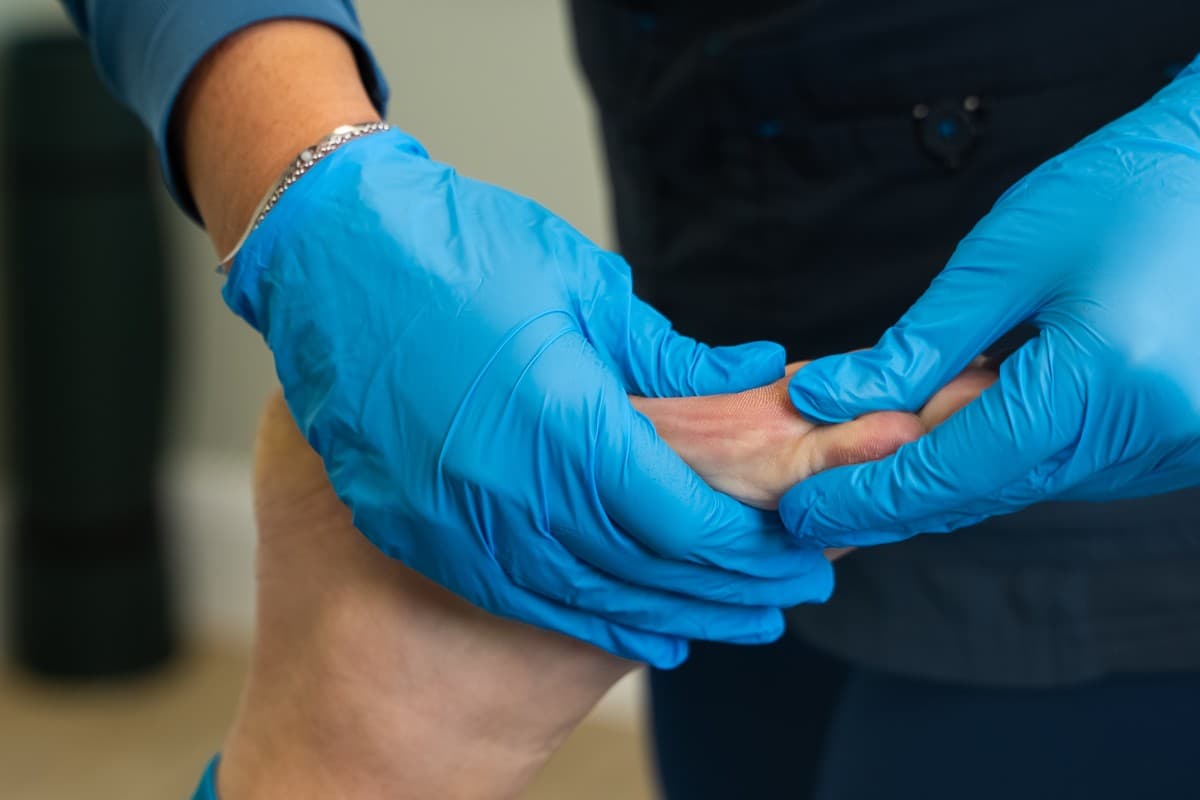
A podiatrist is the opposite. We focus solely on the foot. That means we invest heavily in learning to diagnose verrucas properly, and in having several different ways to treat them, so if one doesn't work there's always another to try. If you've ever wondered how a podiatrist differs from a chiropodist, we explain it here.
What a verruca actually is
A verruca is a harmless (benign) growth on the skin, caused by the human papillomavirus, or HPV. The virus makes the skin cells in that spot overgrow, so the skin there becomes thicker and harder.
The virus is very clever. It lives in the top layers of the skin, where the immune system often doesn't notice it. That's how it survives, by hiding from your body's defences, and it's also why verrucas can be so difficult to get rid of.
How verruca treatment works
Almost every treatment works the same way. It deliberately damages the verruca so that your immune system finally realises there's something there to get rid of. That can be done with a solution applied to the skin, with cold, with heat, or with a needle.
The four treatments we use at Foot Focus
- Verrutop: a nitric acid solution painted onto the verruca. It breaks down the verruca's cells so the immune system can step in. It's virtually pain-free and doesn't damage the healthy skin around it, which makes it our usual choice for children.
- Cryotherapy (freezing): we freeze the verruca, which forms a blister underneath it and separates it from the healthy skin below. You'll feel a cold sensation, but most people wouldn't call it painful. We usually repeat it every two weeks. It works very well, although some verrucas are a little resistant to freezing.
- Remy Class IV laser: the laser heats the verruca without damaging the tissue around it. There's a distinct feeling during treatment, but no reaction afterwards, and people generally tolerate it well. We usually do one session a month.
- Falknor's needling: for very stubborn verrucas that haven't shifted with other treatments. We numb the area with local anaesthetic, then puncture the verruca many times, so your body is left in no doubt that there's an infection to deal with. The area then heals over within a short time.
How many visits will it take?
Some verrucas clear after one or two visits with cryotherapy or laser. Quite often it takes more, and it's very hard to predict, because it depends on how your own immune system responds to the treatment. We check progress at every visit and change approach if it isn't working.
When to see a podiatrist about a verruca
- It hurts when you walk or stand
- It's spreading, or you have more than one
- What you've tried from the pharmacy hasn't worked
- You have diabetes or poor circulation. Don't treat it yourself; see a podiatrist first
If you have another skin or nail problem as well, such as a fungal nail, mention it at your appointment and we can look at both together.
Booking
You can book directly at our Finglas or Mount Merrion clinic, with no GP referral needed. Read more about how we treat verrucas, or book an appointment online.
This article is general information about a common foot condition and is not a diagnosis or a treatment plan for any individual. Foot pain has several possible causes that present similarly, so if something is troubling you, have it assessed in person.
Researched with AI tools. Clinically reviewed and approved by Stephen Ryan and Mark Ryan.
References
- Warts and verrucas - HSE (Health Service Executive, Ireland)
- Warts and verrucas - NHS
This page is for general information and does not replace individual clinical assessment. If symptoms persist, book an appointment with a CORU-registered podiatrist.