


Foot Focus Podiatry Logo
Nail

Fungal Nail Treatment in Dublin

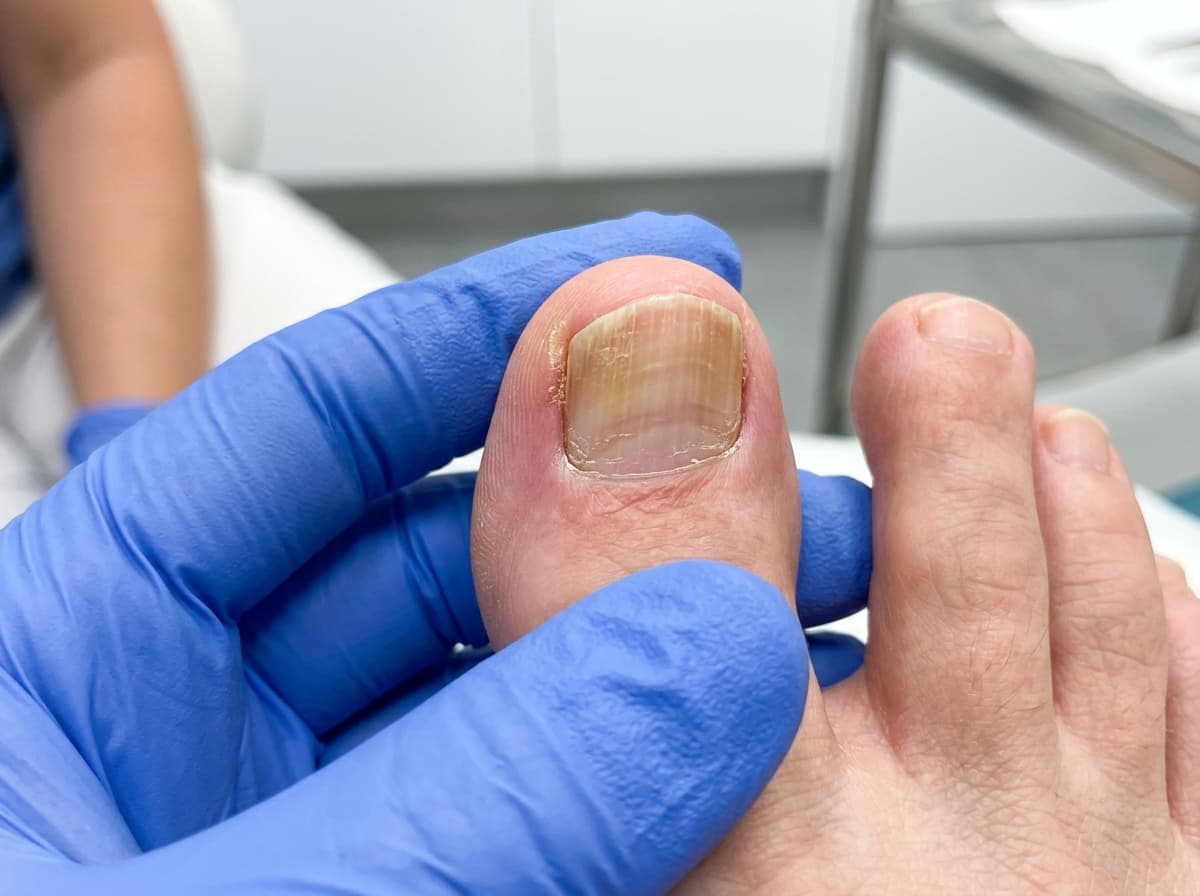
Onychomycosis (fungal nail infection) affects one or more toenails, causing yellow-brown discolouration, thickening, brittleness, and subungual debris. Because the fungal dermatophytes live deep under the hard keratin nail plate and within the nail bed, off-the-shelf topical paints often fail to penetrate. At Foot Focus Podiatry, we confirm the diagnosis before treatment and provide advanced Class 4 medical laser therapy alongside medical debridement for optimal clearance.

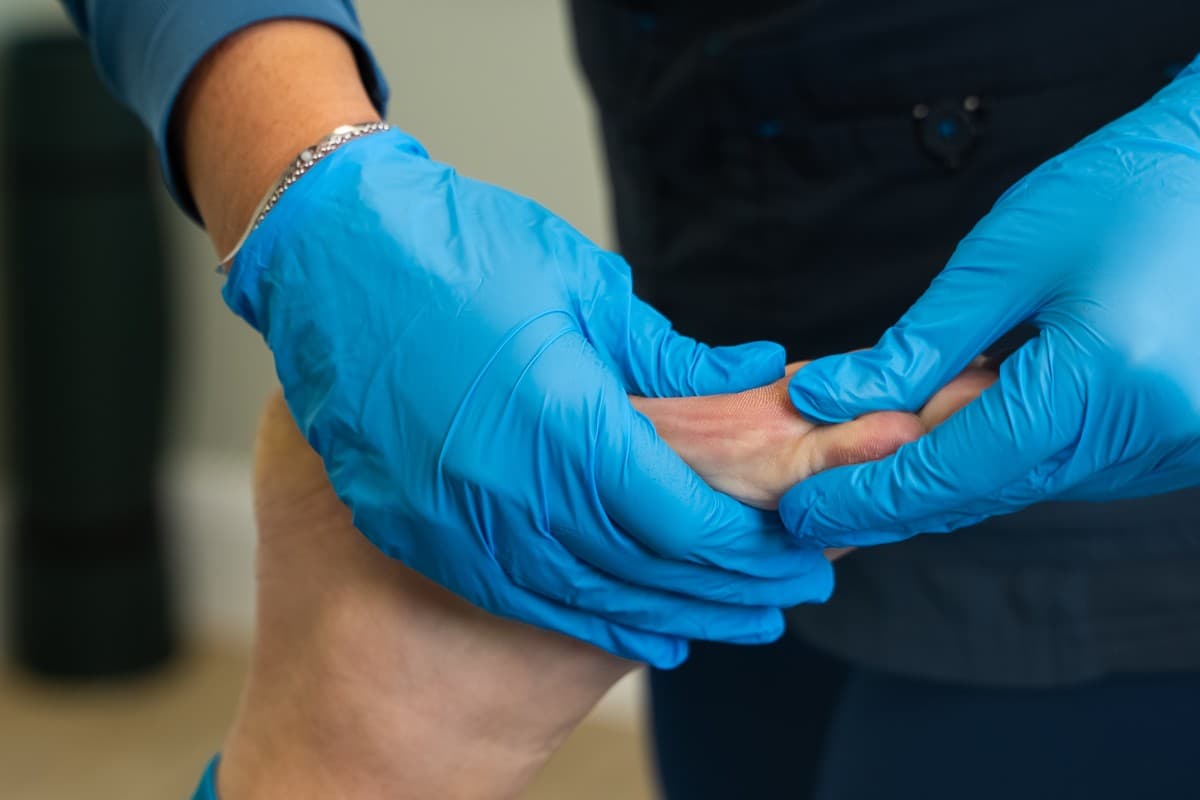
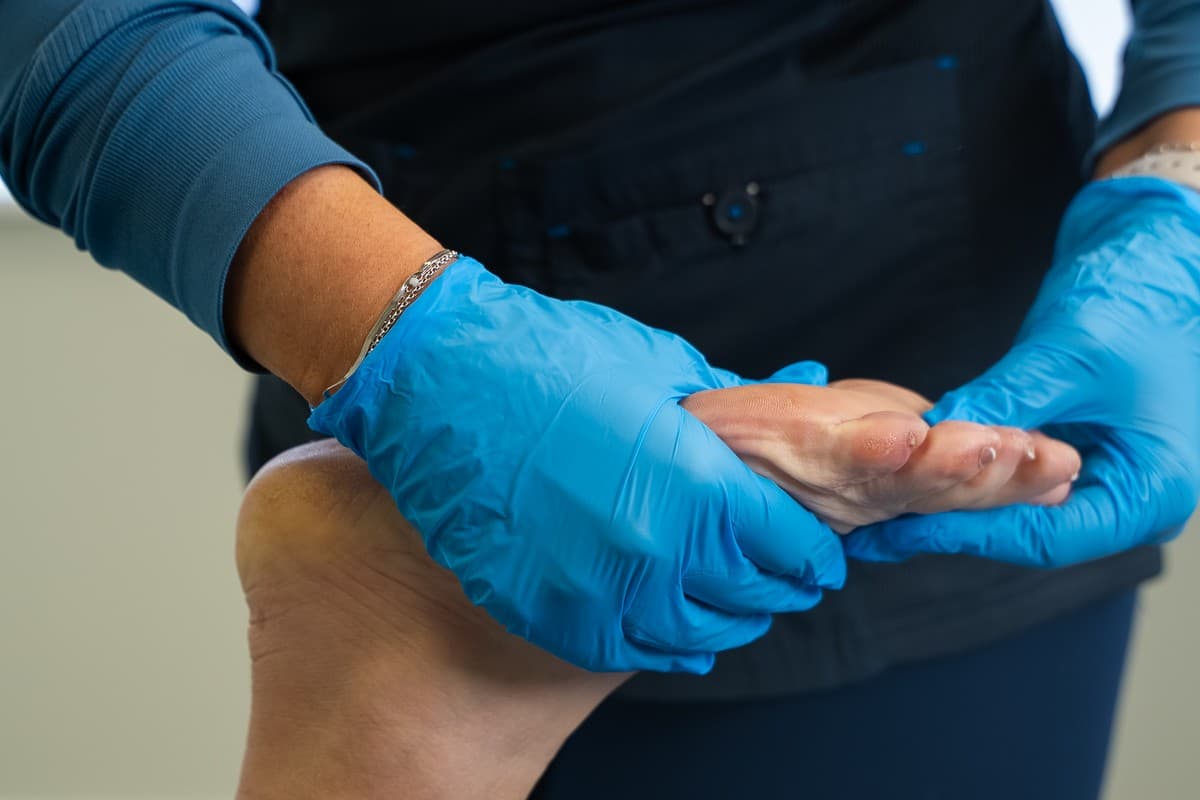
Fungal Nails treatment at Foot Focus Podiatry Dublin

Does Any of This Sound Like You?

Fungal Nails presents differently from one person to the next. See how many of these you recognise in your daily routine:

  • You have been hiding your toes for months or years in socks, avoiding sandals and bare feet
  • The nail is becoming increasingly thick, discoloured, or brittle and embarrassing to look at
  • You have spent hundreds of euros on pharmacy paints, tea tree oil, and vinegar soaks with zero result
  • You are worried the infection is spreading to your other healthy toes or to family members
  • You avoid swimming pools, beaches, hotel spas, or taking your shoes off around others
  • You want an honest clinical assessment of whether the nail can actually be saved and restored

If any of that sounds familiar, we can help. If it keeps coming back, that usually means the cause hasn't been dealt with yet. The sooner it is properly diagnosed, the sooner it can be treated for good.

Cover of Fungal Nails: Patient Guide
Free Clinical Guide

Not Ready to Book Yet? Download Our Free Fungal Nails Guide

Fungal Nails: Patient Guide

A short, practical guide from our podiatrists: how to spot a fungal nail, how to stop it spreading, and how we treat it.

Key clinical takeaways included:

  • How to tell if a thick or discoloured nail might be fungal
  • Simple ways to stop it spreading at home
  • How we treat it, including Class 4 laser
  • When to get a nail checked

We'll use your details to send the guide and to follow up by phone or text. Privacy Policy.

Why won't my fungal nail infection get better?

Fungal nail infections do not resolve on their own, and over-the-counter brush-on lacquer paints fail in the overwhelming majority of cases. The reason is simple biology: the fungal colony resides in the nail bed beneath a thick, impermeable keratin shield that topical liquids cannot effectively penetrate.

The second reason treatment fails is that the condition was never clinically confirmed. Trauma from running shoes, psoriasis, eczema, and age-related thickening all look remarkably similar to fungal infections. Treating a non-fungal nail with antifungal paint for a year will produce zero change.

Effective resolution requires three steps: confirming the fungal diagnosis, clinically thinning the thickened nail plate, and using deep-penetrating modalities like Class 4 medical laser to destroy the spores where they live. Because toenails grow slowly, full clearance takes 6 - 12 months as the clean nail grows out from the root.

The Foot Focus Fungal Nails Programme

Every programme is built around your individual assessment findings, daily activity levels, and what you want to return to. No two treatment plans are identical.

  1. Assessment & Diagnosis Confirmation

    Thorough clinical examination to verify fungal infection and rule out non-fungal nail dystrophies.

  2. Painless Clinical Debridement

    High-speed podiatric burring to reduce nail thickness, remove subungual debris, and relieve shoe pressure.

  3. Class 4 Laser & Topical Treatment

    Course of high-power medical laser sessions targeting the nail bed alongside prescription topical applications.

  4. Monitoring & Prevention Protocol

    Follow-up reviews with digital photographic tracking to verify healthy clear nail regrowth and prevent reinfection.

Common symptoms of fungal nail infections

  • Yellow, white, or brown discolouration spreading across the nail plate
  • Thickened, brittle, or distorted toenails that are difficult to cut
  • Crumbling, powdery edges with debris collecting underneath the nail
  • Nail plate lifting and separating from the underlying pink nail bed (onycholysis)
  • Unpleasant odor or discomfort when wearing closed shoes due to nail thickness

What causes fungal nail infections?

  • Dermatophyte fungal organisms invading micro-cracks in the nail plate or cuticle
  • Walking barefoot in warm, humid communal areas (swimming pools, gyms, hotel showers)
  • Repeated micro-trauma from running, hiking, or tight footwear damaging the nail seal
  • Untreated Athlete's foot (tinea pedis) skin infection migrating into the toenails
  • Reduced peripheral circulation, diabetes, or compromised immune defense

How we treat fungal nail infections at Foot Focus Podiatry

Clinical Diagnostic ConfirmationAssessment and nail sampling to verify fungal infection before committing to treatment, ruling out trauma, psoriasis, or lichen planus.
Class 4 Medical Laser TherapyHigh-power therapeutic laser penetrates through the nail plate to destroy fungal spores with targeted thermal energy without pain or oral drug side effects.
Painless Nail Debridement & ThinningSpecialist podiatric rotary burring to thin down thick, infected nail plates, relieving pressure and allowing topical treatments to penetrate.
Prescription High-Penetration TopicalsTargeted topical antifungal solutions applied directly to thinned nail tissue to suppress surface spore proliferation.
Footwear & Environment DecontaminationComprehensive hygiene and shoe sanitization protocols to eliminate fungal spores and prevent reinfection during regrowth.
When to Seek Professional Treatment

If you notice spreading nail discolouration, thickening, crumbling, or if the nail is becoming painful in footwear, seek professional assessment. Treating the infection early prevents it from destroying the nail matrix or spreading to adjacent toes.
What Our Patients Say

We would rather you read our reviews somewhere we cannot edit them. Both clinics are rated on Google by patients who have actually attended.

4.9 on Google from 384 reviews (captured September 2026)

Every review is published on our Google Business Profile, where we cannot edit or remove it.

Further reading from our clinicians

Frequently Asked Questions About Fungal Nails

Straightforward answers from our CORU-registered podiatrists about treatment, recovery, referrals, and health insurance.

Do I need to treat athlete's foot as well?

Usually, yes. Many people with a fungal nail also have athlete's foot, and if the skin infection isn't treated at the same time it can reinfect the nail. We check for it at your assessment.

Do I have to have my fungal nail permanently removed or take oral liver-toxic pills?

In most cases, no. Complete surgical nail removal is rarely required for fungal nails today. Furthermore, our Class 4 medical laser therapy offers a safe, non-invasive alternative to prescription oral antifungal tablets (like Terbinafine), which carry known risks of liver stress and drug interactions.

I've had yellow, thick toenails for over 5 years - can they still be cured?

Yes. Even long-standing infections can be successfully eradicated. The key is clinical debridement to grind away the hardened, infected keratin, followed by medical laser therapy to sterilize the nail bed. As long as the nail matrix is viable, a new healthy clear nail will grow forward.

Can over-the-counter pharmacy paints or tea tree oil cure a fungal nail?

Rarely for moderate to severe infections. Topical paints cannot penetrate through a thickened nail plate to reach the live fungi in the nail bed. Without professional mechanical thinning and deep thermal laser penetration, topical paints usually sit on the surface without curing the root infection.

Do I need a GP referral to have my fungal nails assessed?

No. You can book an assessment directly with our podiatrists in Finglas or Mount Merrion. If you have been prescribed prior treatments by your GP, let us know and we will factor that into your clinical plan.

Is fungal nail treatment covered by Irish health insurance?

Podiatry consultations and clinical debridement performed by CORU-registered podiatrists are eligible for reimbursement under most private health policies (VHI, Laya, Irish Life Health). We provide receipts after every session.

Patient Education & Care

Clinical Explainer Video: Fungal Nails

Watch our registered podiatrists explain diagnosis, mechanics, and recovery for Fungal Nails.

Molly RyanCC Captioned

How Do I Know If I Have a Fungal Nail Infection?

Recognising nail discolouration, thickening, brittleness, and clinical testing.

Fungal NailDiagnosisDiscolouration

References

  1. Fungal nail infection - HSE (Health Service Executive, Ireland)
  2. Fungal nail infection - NHS

This page is for general information and does not replace individual clinical assessment. If symptoms persist, book an appointment with a CORU-registered podiatrist.

Free call back

Ready to sort out your fungal nail infection?

Leave your details and our clinical team will call you back to discuss your symptoms and book an appointment.

Would rather talk now? (01) 556 3662

We'll use your details to return your call and follow up on your enquiry. Privacy Policy.