
Foot Focus Podiatry Logo
Orthotics

Flat Feet Assessment & Treatment in Dublin

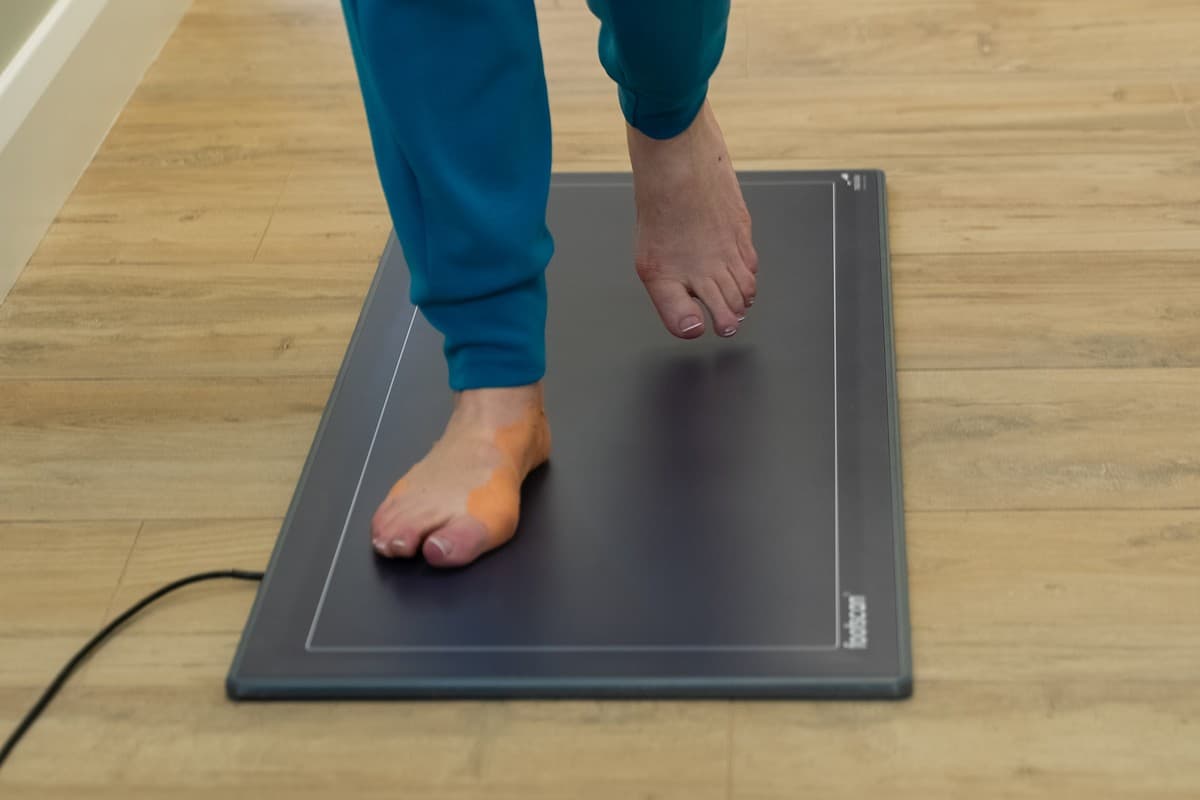
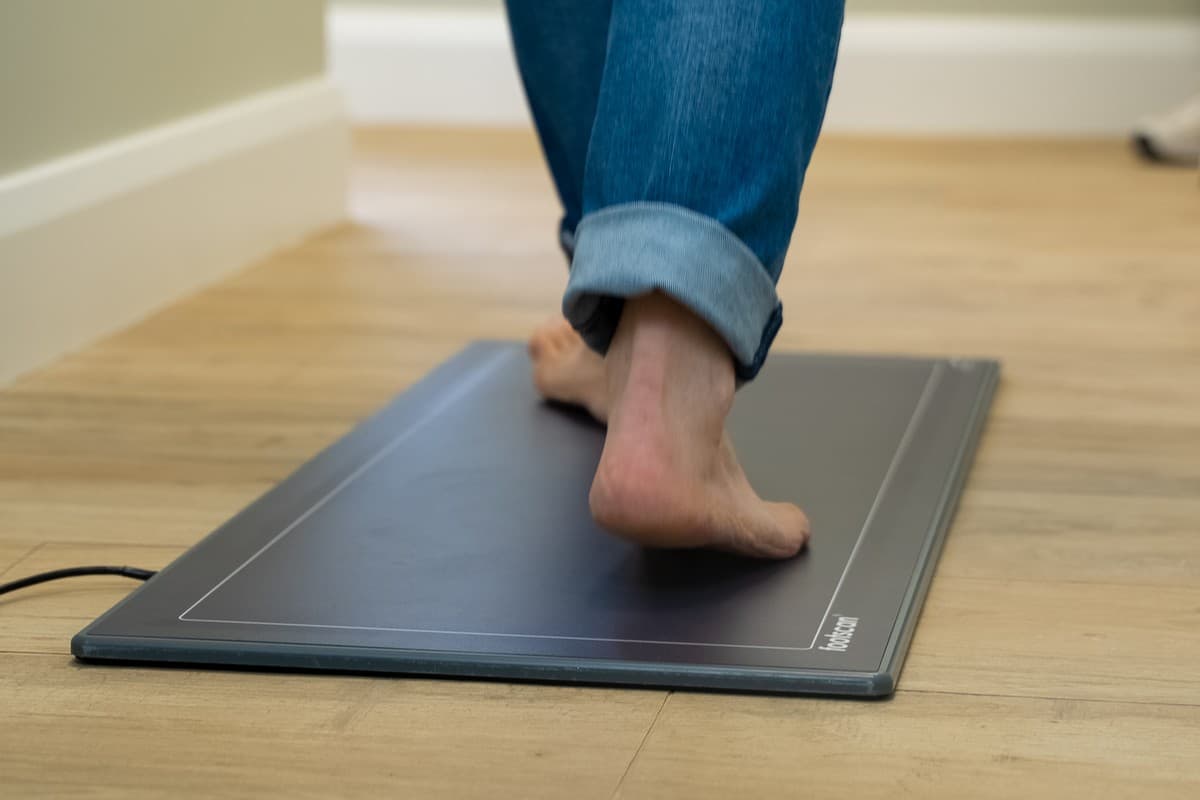
Flat feet (pes planus) and overpronation occur when the medial longitudinal arch of the foot collapses inward during standing, walking, or running. While having low arches is a normal anatomical variation for many people, in others it places excessive rotational torque and tensile strain on the plantar fascia, posterior tibial tendon, ankles, knees, and lower back. At Foot Focus Podiatry, we use dynamic Gait & Motion Footscan analysis to evaluate how your foot moves and prescribe Phits 3D-printed orthotics only when clinically indicated.

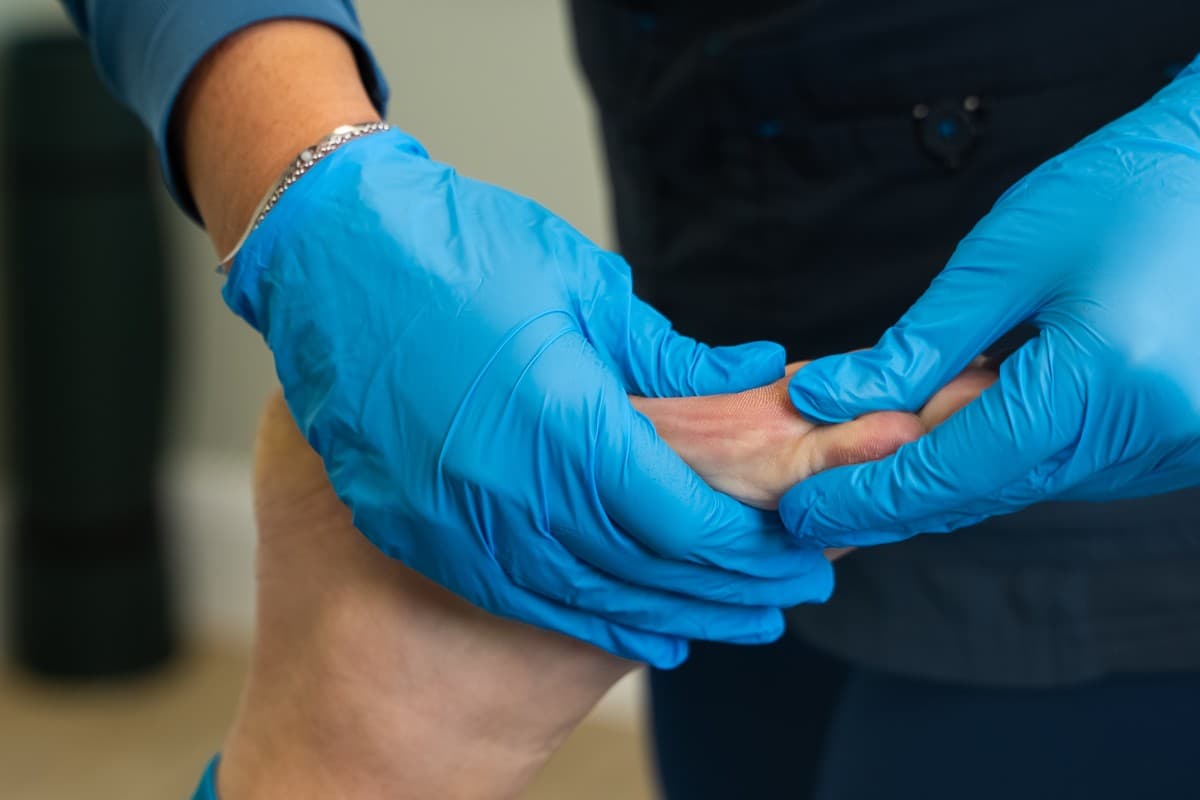
Flat Feet & Alignment treatment at Foot Focus Podiatry Dublin

Does Any of This Sound Like You?

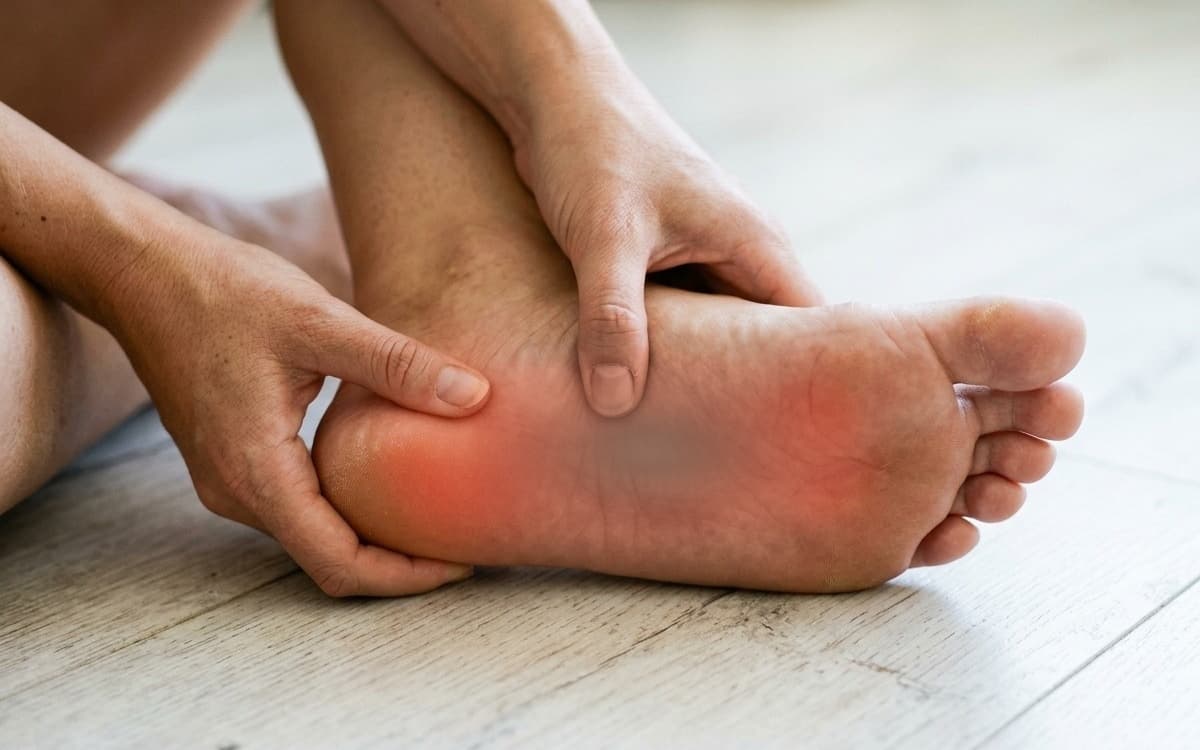
Flat Feet & Alignment presents differently from one person to the next. See how many of these you recognise in your daily routine:

  • Your arches look completely flat and roll inward every time you stand up
  • Your feet and legs ache intensely by 5 PM after a day on your feet at work
  • You get recurring pain along the inside of your ankle, shins, knees, or lower back
  • Your shoes wear down rapidly on the inner heel and sole within a few months
  • You have tried cheap off-the-shelf arch supports that felt like hard rocks in your shoes
  • You were told you have flat feet and just have to live with the discomfort

If any of that sounds familiar, we can help. If it keeps coming back, that usually means the cause hasn't been dealt with yet. The sooner it is properly diagnosed, the sooner it can be treated for good.

Why won't my flat feet get better?

Flat feet are extremely common, and on their own, a low arch is not a medical problem. Many elite athletes have low arches and never experience pain.

Trouble arises when a collapsing arch creates excessive internal rotation up the kinetic chain, overloading the posterior tibial tendon, the plantar fascia, or the medial compartment of the knee. Generic treatment usually fails because people are handed rigid off-the-shelf plastic arches that press uncomfortably into the arch without addressing how the foot moves dynamically.

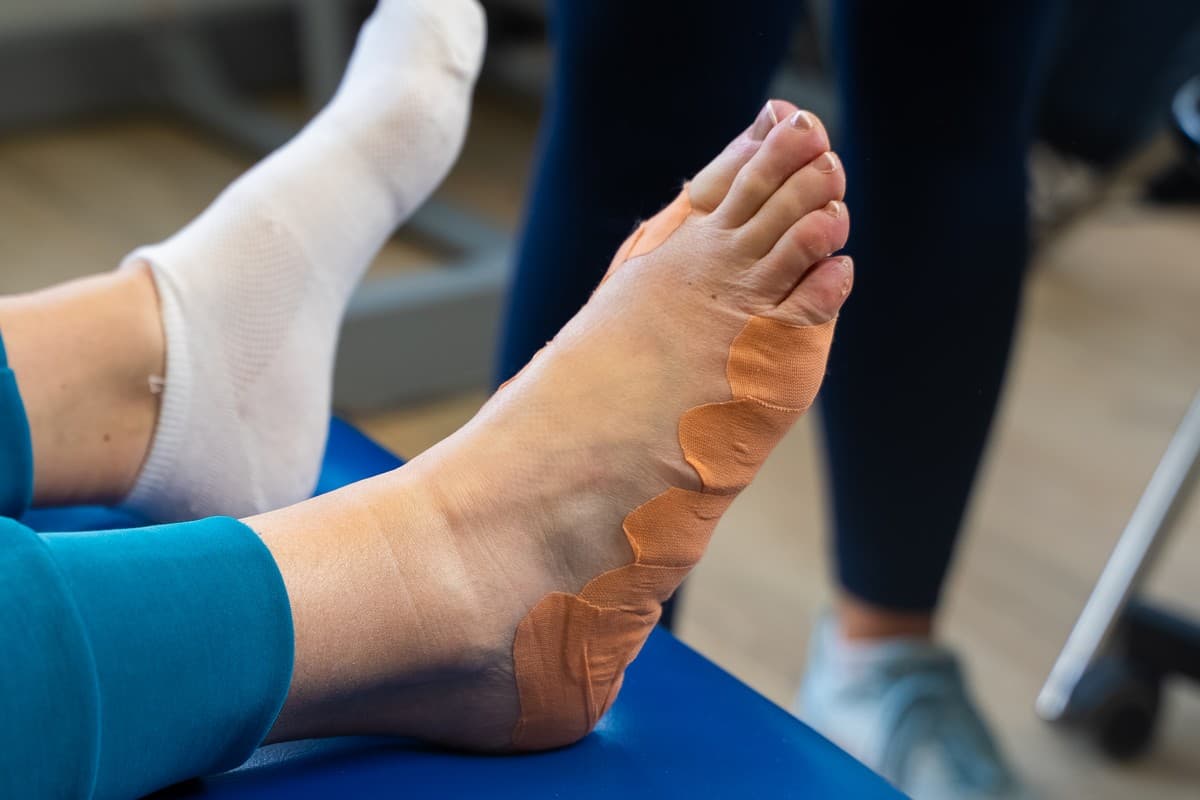
Lasting comfort requires assessing how your foot loads in motion using Gait & Motion Footscan technology. We combine foot intrinsic muscle strengthening with custom Phits 3D orthotics engineered with tuned flexibility, providing support exactly where and when your foot needs it during the step cycle.

Biomechanical & Alignment Conditions We Treat

Flat feet aren't always a problem. These are the ones we see most often, and how we help:

Flexible flat feet (overpronation)

Your arch looks normal when you're sitting, but flattens when you stand up.

What you might notice: Tired, aching feet and arches, and your ankles rolling inwards when you walk or run.

How we help: Exercise rehab programmes and Phits 3D orthotics to control how quickly your foot rolls in as you walk.

Foot Focus advantage: Our Footscan force plate shows how forces are spread through your foot, so we know which areas need strengthening and that your orthotics give you the support you need.

Adult-acquired flat foot

The tendon on the inside of your ankle gradually weakens and stretches.

What you might notice: Pain and swelling behind the bone on the inside of your ankle, your arch slowly dropping, and finding it hard to rise up onto your toes on one foot.

How we help: Early tendon rehab, and orthotics to take the pressure off, stop it getting worse.

Foot Focus advantage: We specialise in tendon and muscle strengthening, and our Phits orthotics take the pressure away from this area.

Hypermobile (very flexible) feet

Very flexible feet make the muscles in your feet work harder.

What you might notice: Feeling unsteady on uneven ground, and tired feet when you're on them for a long time.

How we help: Strengthening to make your foot as stable and strong as possible, with orthotics where they help.

Foot Focus advantage: Exercise rehab programmes, an exact picture of how your foot moves, and sleek orthotics.

The Foot Focus Flat Feet & Alignment Programme

Every programme is built around your individual assessment findings, daily activity levels, and what you want to return to. No two treatment plans are identical.

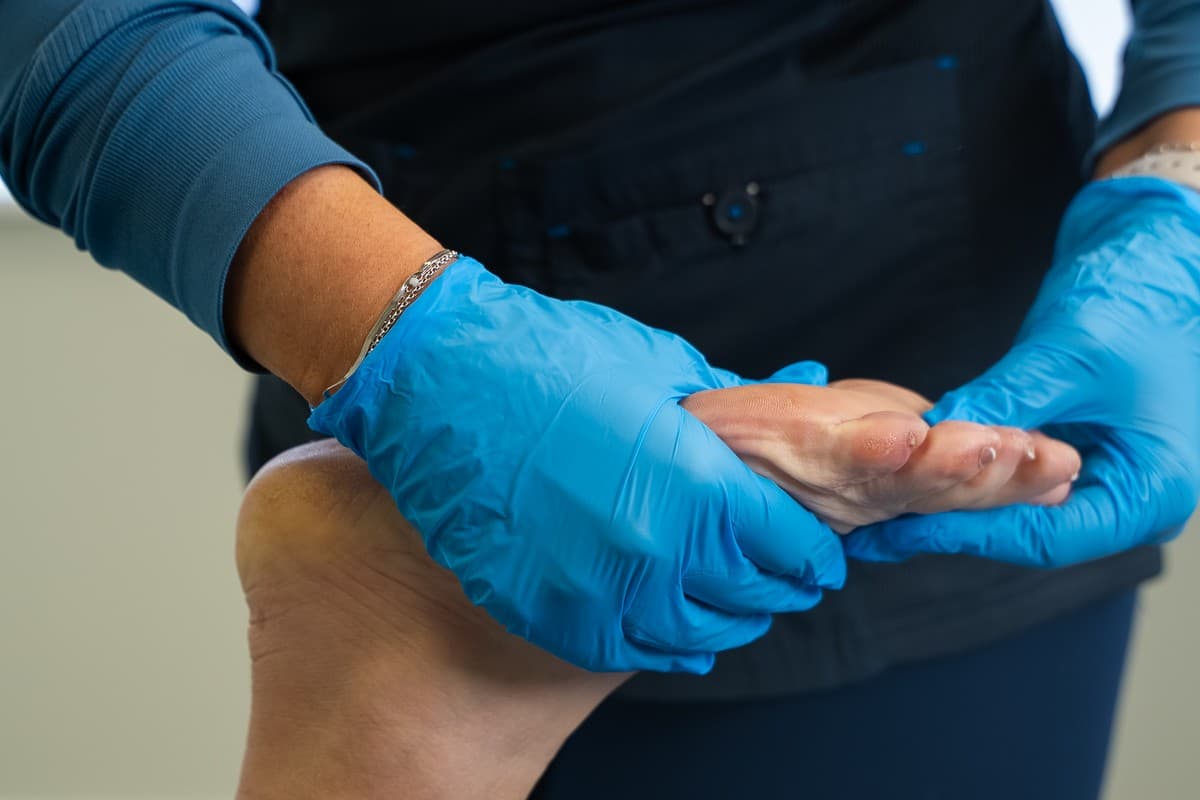
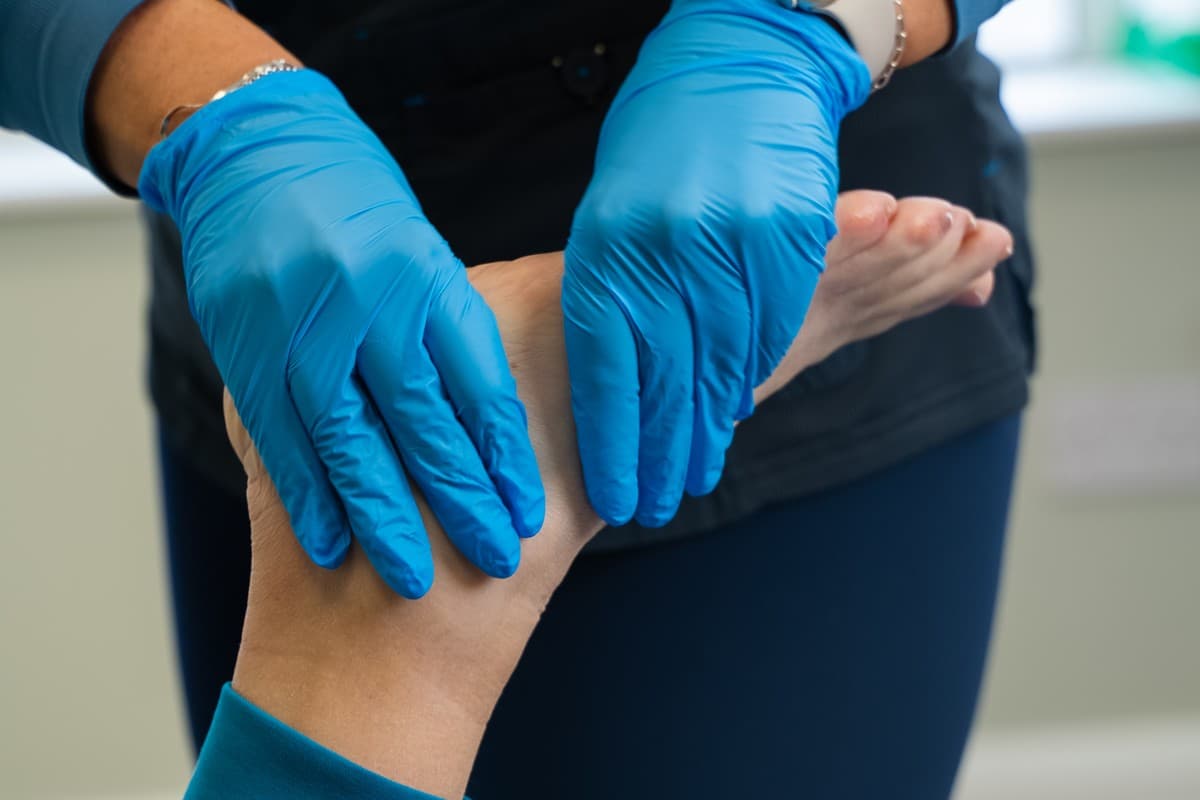
  1. Dynamic Footscan Assessment

    Footscan force plate analysis across multiple walking steps, range of motion testing, and muscle strength evaluation.

  2. Targeted Strengthening

    Prescription of foot intrinsic muscle and posterior tibial strengthening exercises to build active muscular arch support.

  3. Custom Phits 3D Orthotics

    If indicated by your data, custom 3D-printed orthotics are manufactured to redistribute load and control excessive pronation.

  4. Footwear Optimization & Review

    Matching your footwear to your new orthotics and conducting a 6-week review to ensure complete, lasting symptom relief.

Common symptoms of flat feet

  • Foot arches that visibly collapse or flatten completely upon standing
  • Tired, aching feet and arch fatigue after walking, working, or standing for long periods
  • Pain along the inside of the ankle or lower leg (posterior tibial tendon strain)
  • Compensatory pain in the knees, hips, or lower back with no other obvious cause
  • Rapid or asymmetrical wear on the inside edges of shoes and trainers

What causes flat feet?

  • Genetic predisposition, flexible joints, and familial flat foot anatomy
  • Posterior Tibial Tendon Dysfunction (PTTD) causing adult-acquired flat foot
  • Ligamentous laxity and generalized joint hypermobility spectrum
  • Prolonged standing on hard occupational surfaces without adequate arch support
  • Excess body weight placing increased vertical load across the tarsal bones
When to Seek Professional Treatment

If flat feet are causing foot aching, arch fatigue, shin splints, inner ankle pain, knee alignment discomfort, or uneven shoe wear, a biomechanical assessment is recommended to prevent progressive tendon strain.
What Our Patients Say

We would rather you read our reviews somewhere we cannot edit them. Both clinics are rated on Google by patients who have actually attended.

4.9 on Google from 384 reviews (captured September 2026)

Every review is published on our Google Business Profile, where we cannot edit or remove it.

Further reading from our clinicians

Frequently Asked Questions About Flat Feet & Alignment

Straightforward answers from our CORU-registered podiatrists about treatment, recovery, referrals, and health insurance.

Do flat feet require surgery, or can orthotics fix them permanently?

Surgery is very rarely indicated for flat feet and is reserved only for severe, rigid deformities or end-stage tendon tears. For the vast majority of people, custom 3D-printed orthotics combined with foot intrinsic strengthening provide complete, permanent relief from pain without surgery.

I've had flat feet all my life - why did they start hurting recently?

It is very common for flat feet to be pain-free for decades until a change in activity, occupational standing, footwear, body weight, or age-related tendon laxity pushes the tissue beyond its capacity. A biomechanical assessment identifies the specific trigger and restores comfortable balance.

Do all people with flat feet need orthotics?

No. Having flat feet is a natural anatomical variation, and many people live active, pain-free lives without any supports. We only recommend custom orthotics if your flat feet are actively causing pain, fatigue, or kinetic chain injury.

Do I need a GP referral for a gait analysis or orthotics assessment?

No. You can book directly with our podiatry team at Finglas or Mount Merrion. We will carry out a complete dynamic Footscan assessment during your initial visit.

Does private health insurance cover custom 3D orthotics?

Yes. Major Irish health insurers (VHI, Laya, Irish Life Health) provide substantial rebates for custom orthotics prescribed by CORU-registered podiatrists. We provide all itemized invoices and clinical documentation for your claim.

Patient Education & Care

Clinical Explainer Video: Flat Feet & Alignment

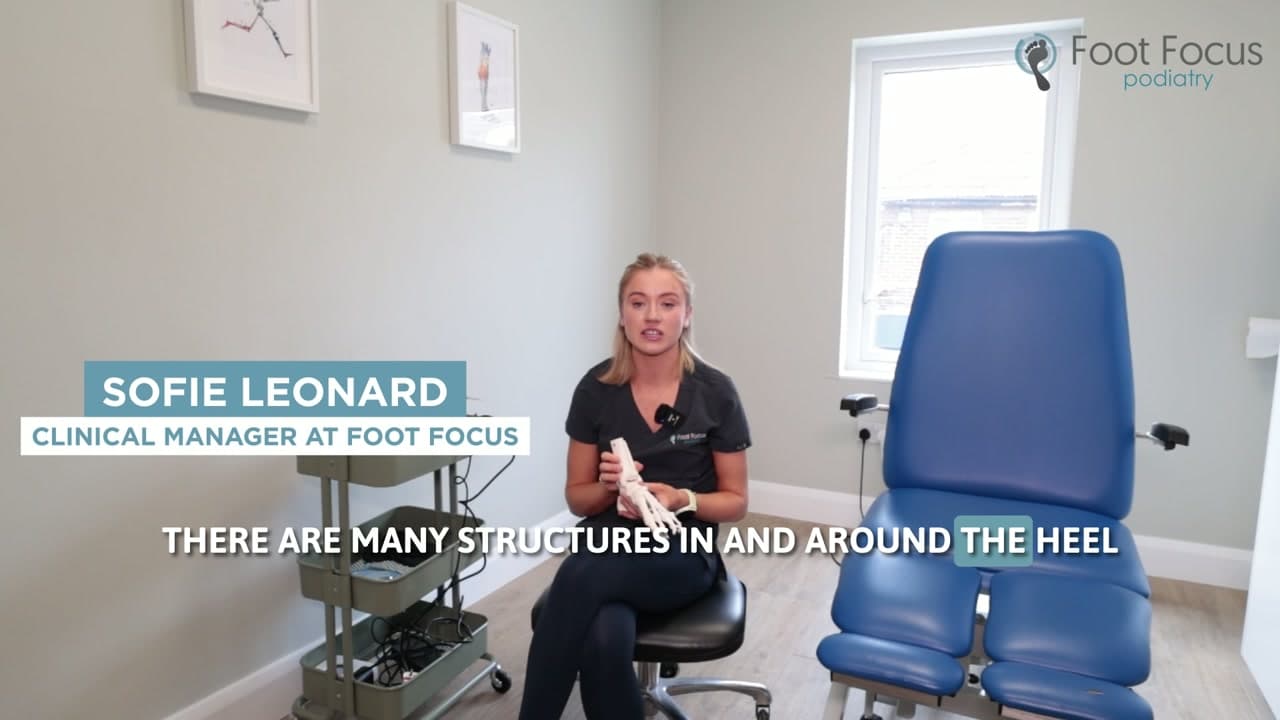
Watch our registered podiatrists explain diagnosis, mechanics, and recovery for Flat Feet & Alignment.

Rebecca LongCC Captioned

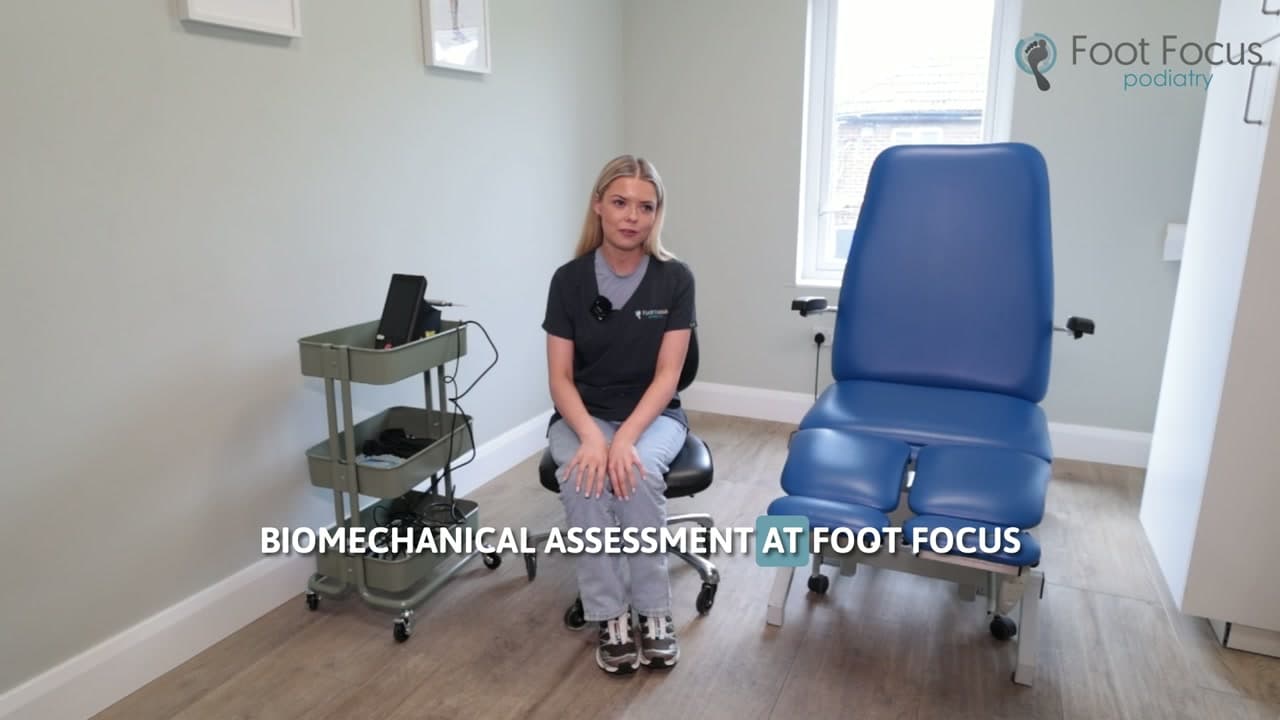
What is a Biomechanical Assessment?

Rebecca Long demonstrates HD video gait capture and joint alignment testing.

Gait AnalysisBiomechanicsOrthotics
Molly RyanCC Captioned

What Does a Biomechanical Assessment Involve?

Detailed breakdown of pressure-plate scanning, joint range of motion, and load analysis.

Biomechanical ScanPressure PlateRunning Analysis
Samuel Eloy Gutiérrez-TorreCC Captioned

Digital Gait & Movement Screening

Samuel Eloy Gutiérrez-Torre walks through dynamic gait testing and lower-limb force distribution.

Gait TestingDigital Analysis3D Orthotics
Samuel Eloy Gutiérrez-TorreCC Captioned

Custom Orthotics Fitting & Function

Samuel Eloy Gutiérrez-Torre explains how 3D-printed custom orthotics correct biomechanical deviations.

Custom Orthotics3D PrintingArch Support
Samuel Eloy Gutiérrez-TorreCC Captioned

Lower Limb Assessment & Injury Rehab

Samuel Eloy Gutiérrez-Torre details targeted loading protocols for active foot and ankle recovery.

RehabilitationSports InjuryLoading Protocol

References

  1. Flat feet - NHS

This page is for general information and does not replace individual clinical assessment. If symptoms persist, book an appointment with a CORU-registered podiatrist.

Free call back

Ready to sort out your flat feet?

Leave your details and our clinical team will call you back to discuss your symptoms and book an appointment.

Would rather talk now? (01) 556 3662

We'll use your details to return your call and follow up on your enquiry. Privacy Policy.