
Foot Focus Podiatry Logo
Sports

Sports and Training Injuries in Dublin

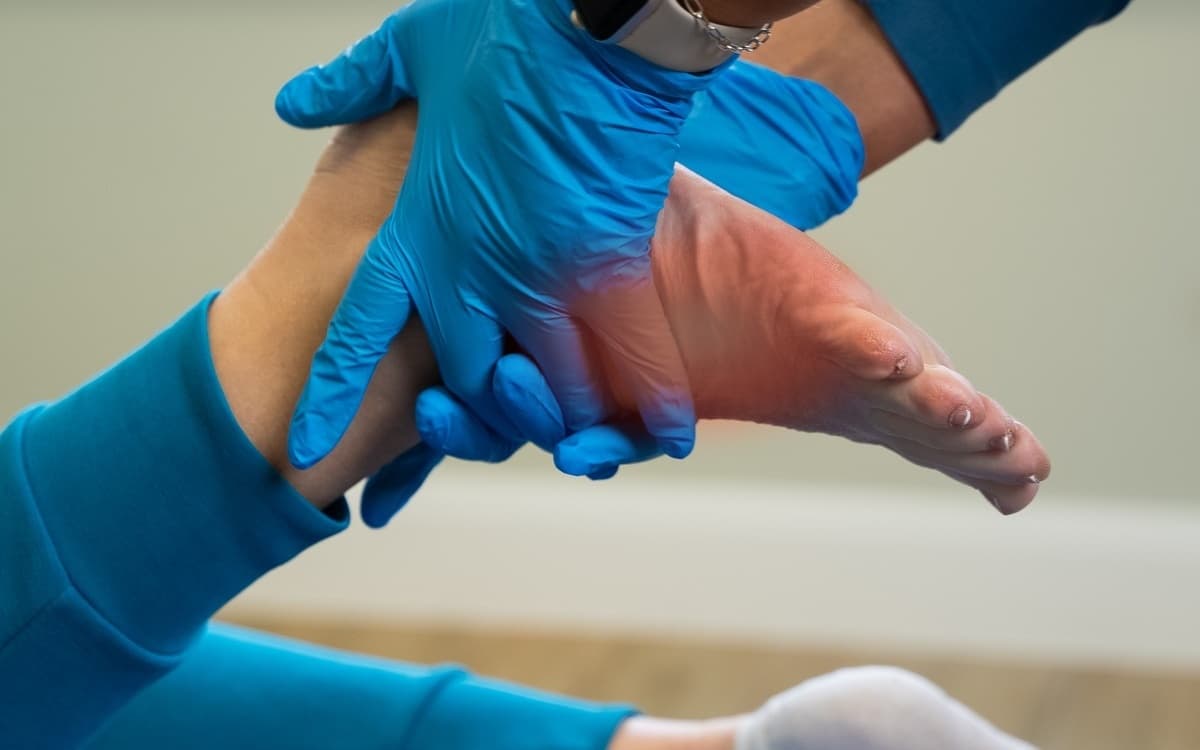
Lower limb sports and training injuries range from acute ligament sprains and stress reactions to chronic overuse conditions such as medial tibial stress syndrome (shin splints), metatarsalgia, runner's knee, and turf toe. Our sports podiatrists understand the demands of running, GAA, rugby, soccer, and triathlon. We diagnose both the damaged structure and the underlying biomechanical inefficiencies to build a criteria-based return-to-sport pathway that prevents recurrence.

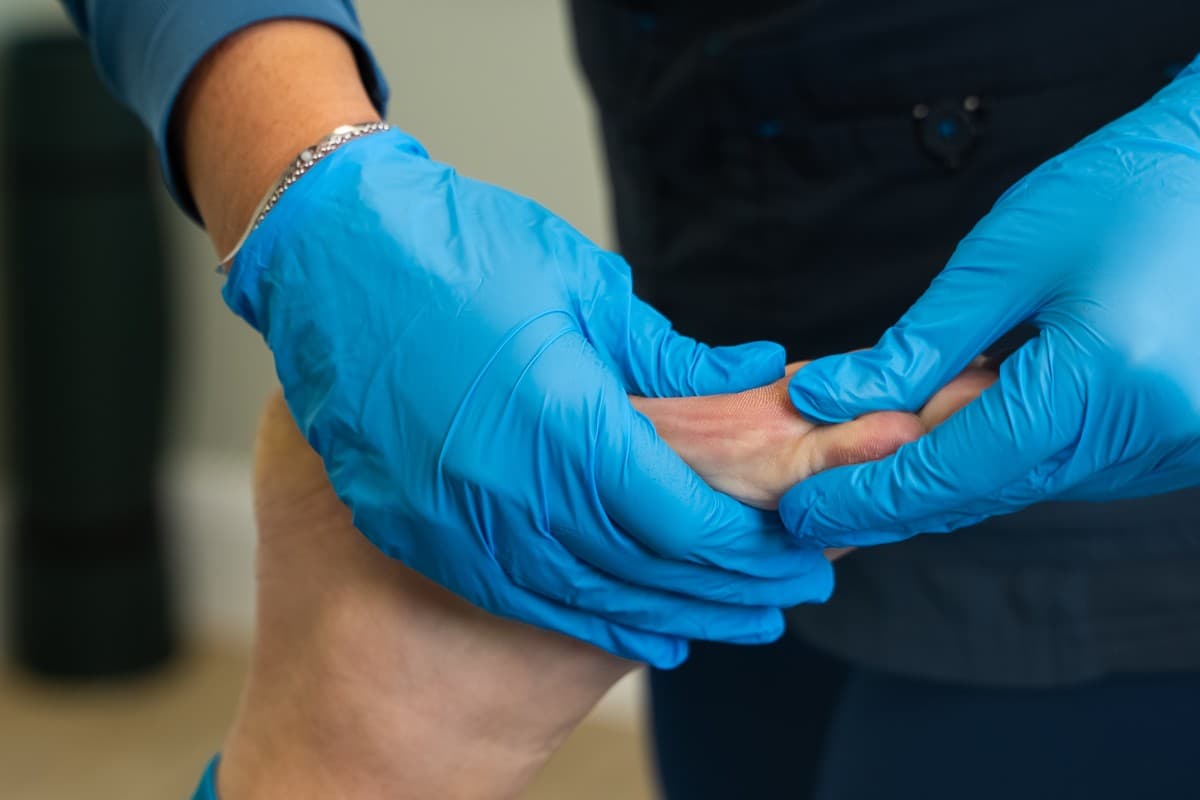
Sports & Training Injuries treatment at Foot Focus Podiatry Dublin

Does Any of This Sound Like You?

Sports & Training Injuries presents differently from one person to the next. See how many of these you recognise in your daily routine:

  • Pain that flared up right after you increased your running mileage or training intensity
  • The pain settles with 4 days of rest, then flares up 10 minutes into your next run
  • You are constantly training around the problem, modifying your stride to compensate
  • You have been told by others to 'just rest', but resting has not solved the underlying issue
  • You are terrified of missing an upcoming marathon, championship match, or race event
  • The exact same injury keeps recurring in the same spot season after season

If any of that sounds familiar, we can help. If it keeps coming back, that usually means the cause hasn't been dealt with yet. The sooner it is properly diagnosed, the sooner it can be treated for good.

Why won't my sports injury get better?

The majority of athletic overuse injuries stem from a fundamental training error: load applied faster than the tissue could adapt to it. The tissue is not permanently damaged, but its current capacity has been exceeded.

Standard advice tells athletes to rest completely for 4 to 6 weeks. While this removes load and quietens the pain, it causes the muscles, tendons, and bones to lose conditioning. The moment the athlete returns to the pitch or road at full intensity, the deconditioned tissue breaks down immediately.

Recovery requires smart load management - keeping the athlete active with safe, non-provocative cross-training while progressively rebuilding tissue strength beyond its pre-injury capacity. When combined with dynamic Footscan biomechanical correction, athletes return to competition faster and more resilient than before.

Sports & Overuse Injuries We Treat

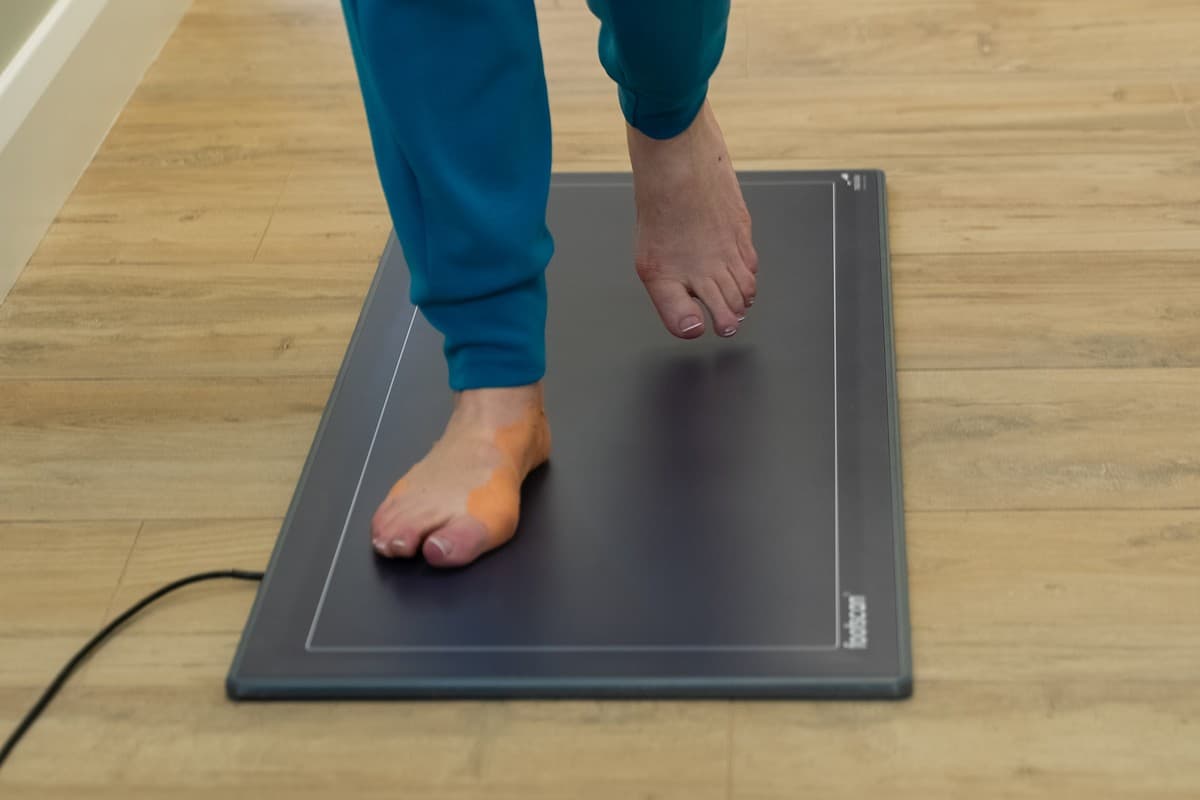
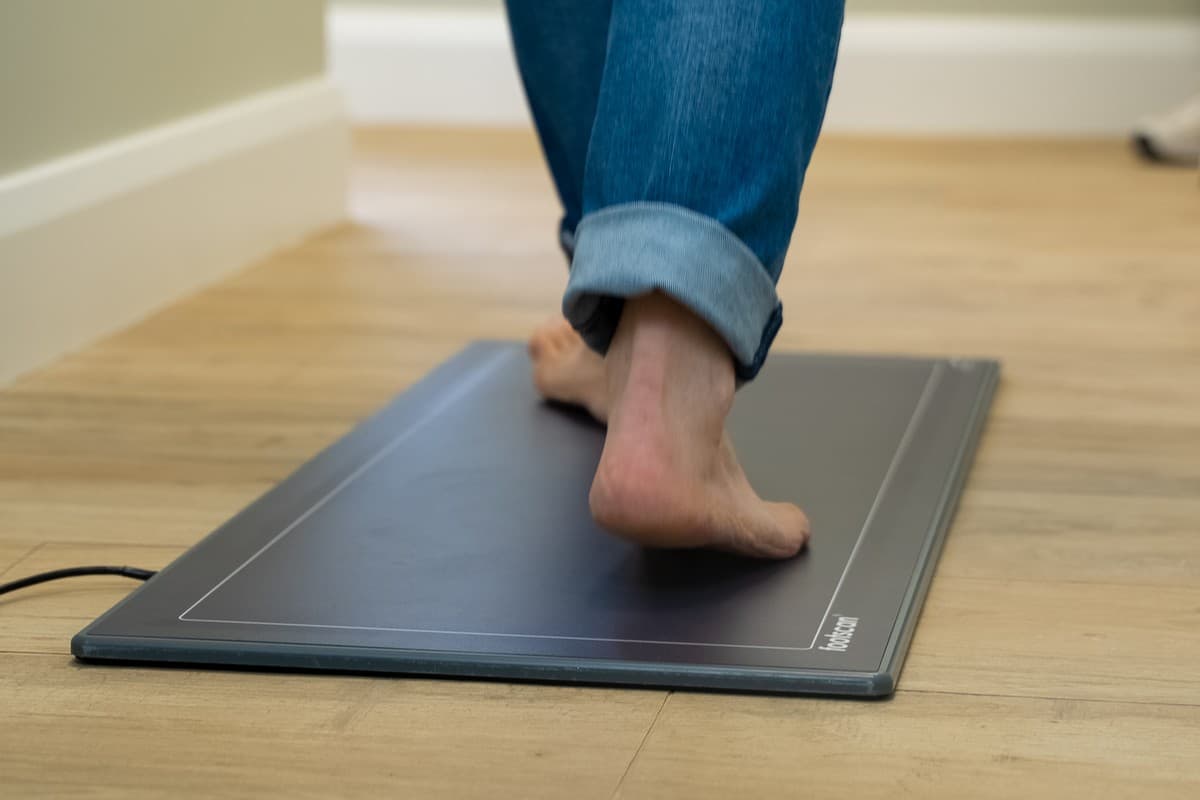
These are the sports injuries we see most often in the foot and lower leg. With each one, we assess you on our pressure plate to see the forces going through your foot, and test your muscles and joints to find the weak spots. Then we build a rehab programme for exactly where your foot needs strengthening. Our orthotics are 3D printed from the force readings, so they're sleek, fit your shoes and are comfortable.

Shin splints

Irritation along the inner edge of your shin bone, usually from running or jumping.

What you might notice: An ache along the lower, inner part of your shin when you run or jump.

How we help: Strengthening your calf muscles, changes to how you run, and orthotics if needed to take the strain off your shin.

Pain in the ball of the foot (metatarsalgia)

The small joints under the ball of your foot get overloaded and sore.

What you might notice: A sharp or burning pain under your second or third toe, like walking on a marble.

How we help: Padding and Phits 3D orthotics to spread the pressure away from the sore joints.

Morton's neuroma

A nerve between your toes becomes thickened and irritated.

What you might notice: Shooting or burning pain into your third and fourth toes, which eases when you take off tight shoes.

How we help: Padding to take the pressure off the nerve, roomier footwear, and neuromodulation therapy.

Ankle sprains and weak ankles

Stretched or torn ligaments after you go over on your ankle.

What you might notice: Swelling, weakness, and a feeling that your ankle will give way on uneven ground.

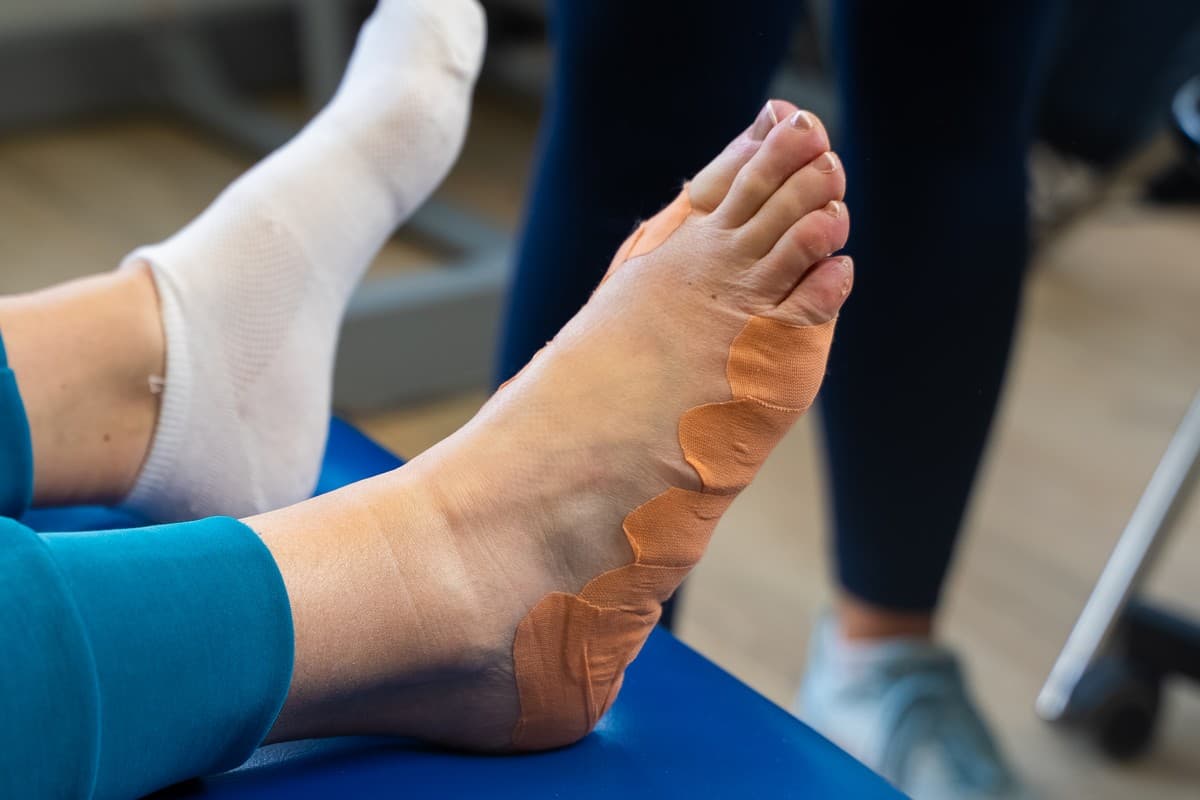
How we help: Balance and strength training, with strapping for support, to make the ankle stable again.

Bone stress injuries (stress reactions and fractures)

The bone starts to break down from repeated impact, often in the foot or heel.

What you might notice: A sore spot on the bone that aches badly during and after running.

How we help: Spotting it early, resting the area, arranging a scan when it's needed, and a gradual return to running.

Turf toe (big toe joint sprain)

A sprain of the main joint of your big toe, often from playing on artificial pitches.

What you might notice: Swelling and sharp pain when you push off or bend your big toe upwards.

How we help: Support to rest the joint, then gentle work to get it moving again, so you can push off without pain.

The Foot Focus Sports & Training Injuries Programme

Every programme is built around your individual assessment findings, daily activity levels, and what you want to return to. No two treatment plans are identical.

  1. Sports Biomechanical Assessment

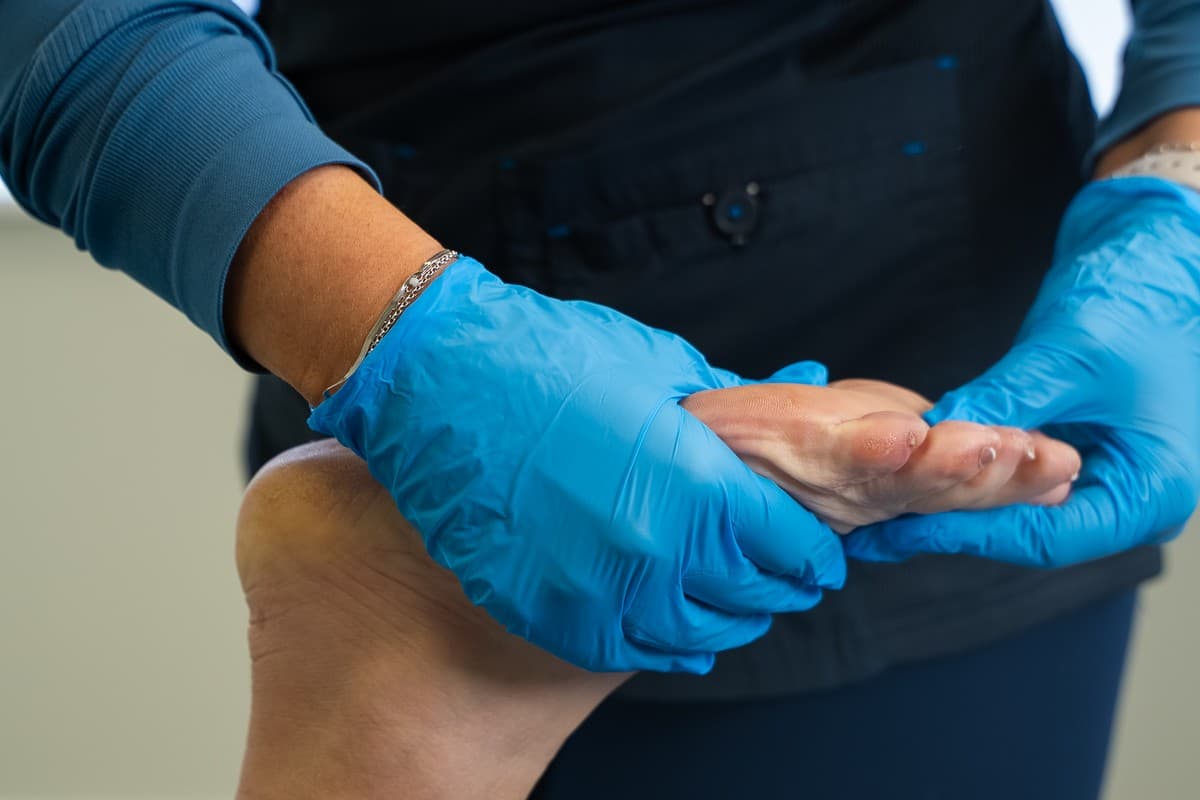
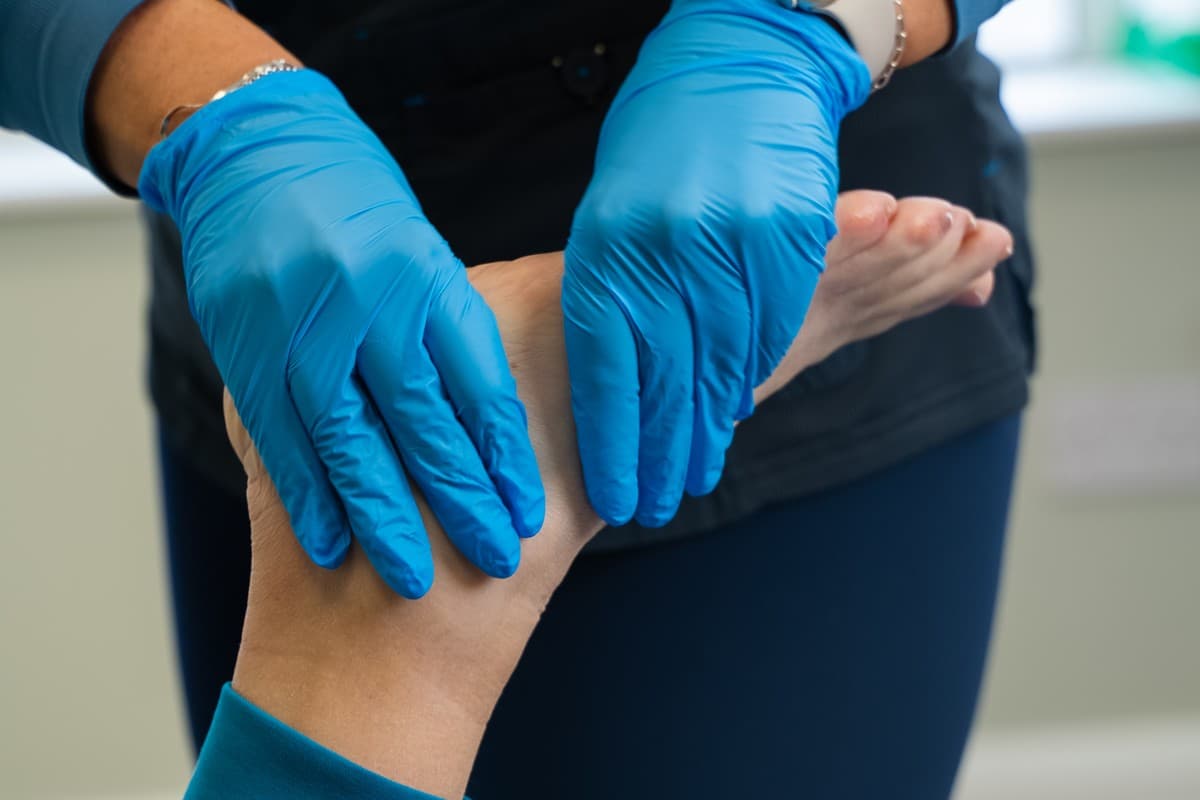
    Comprehensive kinetic chain evaluation, joint mobility testing, and Footscan pressure analysis to identify the exact overload mechanism.

  2. Active Load Management & Pain Relief

    Symptom modification with Class 4 laser and strapping while maintaining cardiovascular fitness through structured cross-training.

  3. Progressive Tissue Loading

    Targeted strength and plyometric protocols to rebuild tissue tolerance beyond pre-injury levels.

  4. Criteria-Based Return to Sport

    Phased return to full training, custom Phits sports orthotics, and objective movement screening to ensure you stay injury-free.

Common symptoms of sports injuries

  • Sharp or aching pain along the shins, midfoot, heel, or ball of the foot during exercise
  • Localized swelling, heat, or tenderness when pressing on tendons or bones
  • Pain that forces you to alter your running form, limp, or cut workouts short
  • Stiffness and throbbing the morning after a demanding match or training session
  • Recurrent calf cramps, ankle instability, or persistent metatarsal discomfort

What causes sports injuries?

  • Training load spikes - increasing mileage, intensity, or frequency too rapidly (the 'too much, too soon' error)
  • Biomechanical asymmetries and abnormal ground reaction force distribution
  • Running on cambered roads, synthetic turf, or hard concrete surfaces
  • Inadequate footwear rotation or training in worn-out running shoes lacking midsole support
  • Insufficient kinetic chain strength in the glutes, calves, and foot intrinsic muscles

How we treat sports injuries at Foot Focus Podiatry

Dynamic Footscan Force Plate AnalysisDynamic pressure mapping records impact forces and propulsion timing to identify the exact mechanical asymmetries driving tissue overload.
Active Load Management & Cross-TrainingWe modify training volume rather than imposing complete rest, keeping you fit with non-aggravating cross-training while tissues recover.
Class 4 Laser & Neuromodulation TherapyMedical laser and pulsed radiofrequency neuromodulation suppress acute pain and accelerate cellular repair in stubborn athletic injuries.
Phits 3D Custom Sports OrthoticsHigh-rebound, lightweight 3D-printed orthotics engineered specifically for sports footwear to absorb impact and improve power transfer.
Criteria-Based Return to Sport ProgressionPhased testing (walking, hopping, running drills, sport-specific cuts) to ensure you return to competition with zero re-injury risk.
When to Seek Professional Treatment

Seek assessment if foot, ankle, or shin pain is disrupting your training sessions, if you have recurring injuries at the same site, or if you suffered an acute twist, pop, or inability to weight-bear. Early intervention protects your athletic season.
What Our Patients Say

We would rather you read our reviews somewhere we cannot edit them. Both clinics are rated on Google by patients who have actually attended.

4.9 on Google from 384 reviews (captured September 2026)

Every review is published on our Google Business Profile, where we cannot edit or remove it.

Frequently Asked Questions About Sports & Training Injuries

Straightforward answers from our CORU-registered podiatrists about treatment, recovery, referrals, and health insurance.

Do sports foot injuries require surgery or long-term boot immobilization?

Rarely. The overwhelming majority of sports foot and lower limb injuries are overuse-related and respond exceptionally well to active load management, biomechanical correction, and progressive strengthening. Complete immobilization in a boot is kept to a minimum to avoid muscle atrophy and joint stiffness.

I've had recurrent shin splints or foot pain every season - can this be resolved permanently?

Yes. Recurring injuries occur because previous rehabilitation stopped at pain relief without addressing the underlying biomechanical flaws or strength deficits that caused the overload. By correcting your gait mechanics with Footscan data and building tissue capacity, we break the recurring injury cycle permanently.

Is complete rest the best treatment for a sports overuse injury?

No. Complete rest causes tendons, muscles, and bones to decondition. While pain drops during rest, returning to sport immediately overloads the weakened tissue. The gold standard is active load management: maintaining fitness while progressively strengthening the injured structure.

Do I need a GP referral to see a sports podiatrist?

No. You can book an assessment directly with our clinics in Finglas and Mount Merrion. If you have imaging or medical reports from your team physio or doctor, bring them along.

Are sports podiatry assessments covered by health insurance?

Yes. All consultations and custom orthotics provided by our CORU-registered podiatrists are eligible for coverage with VHI, Laya Healthcare, Irish Life Health, and other major insurers. Receipts are provided after every visit.

Patient Education & Care

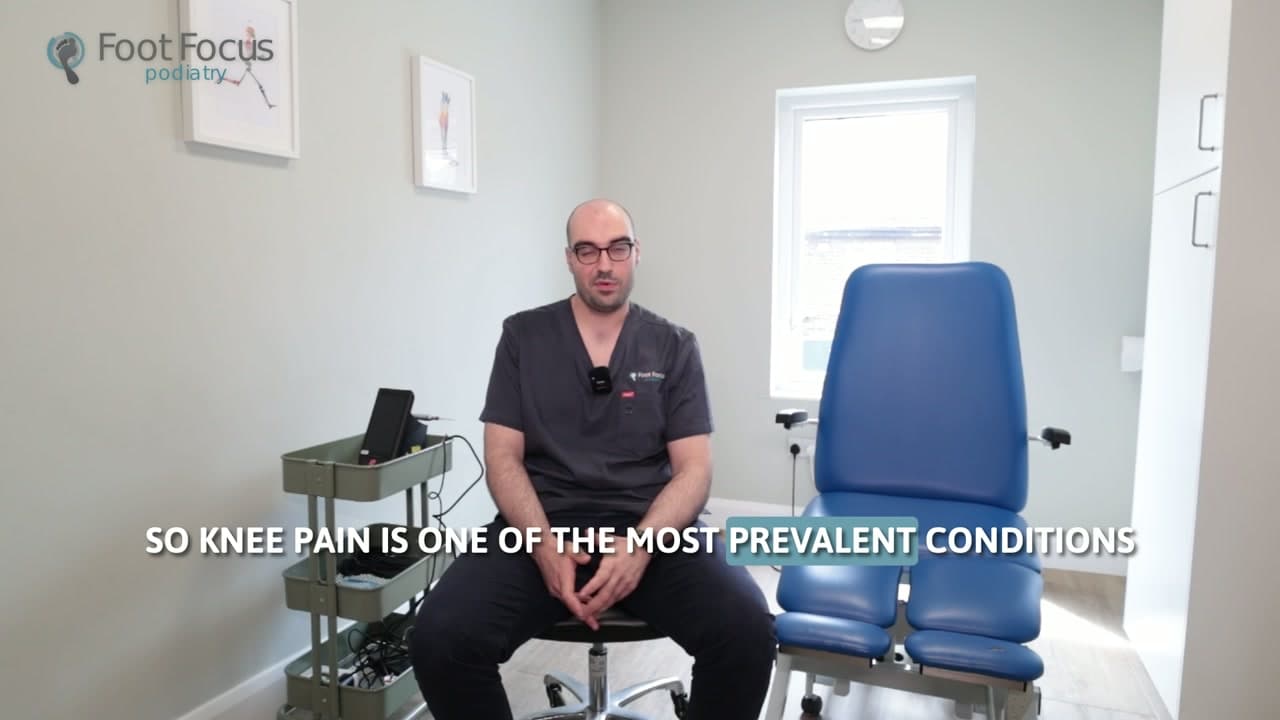
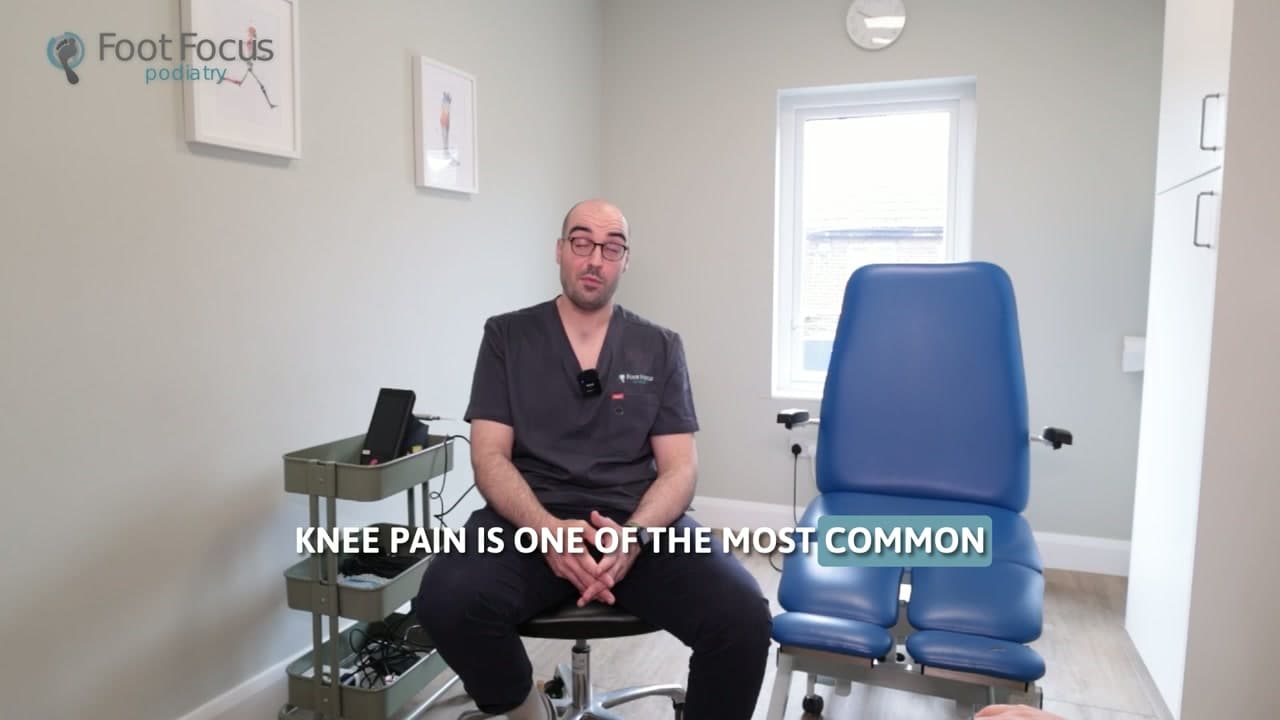
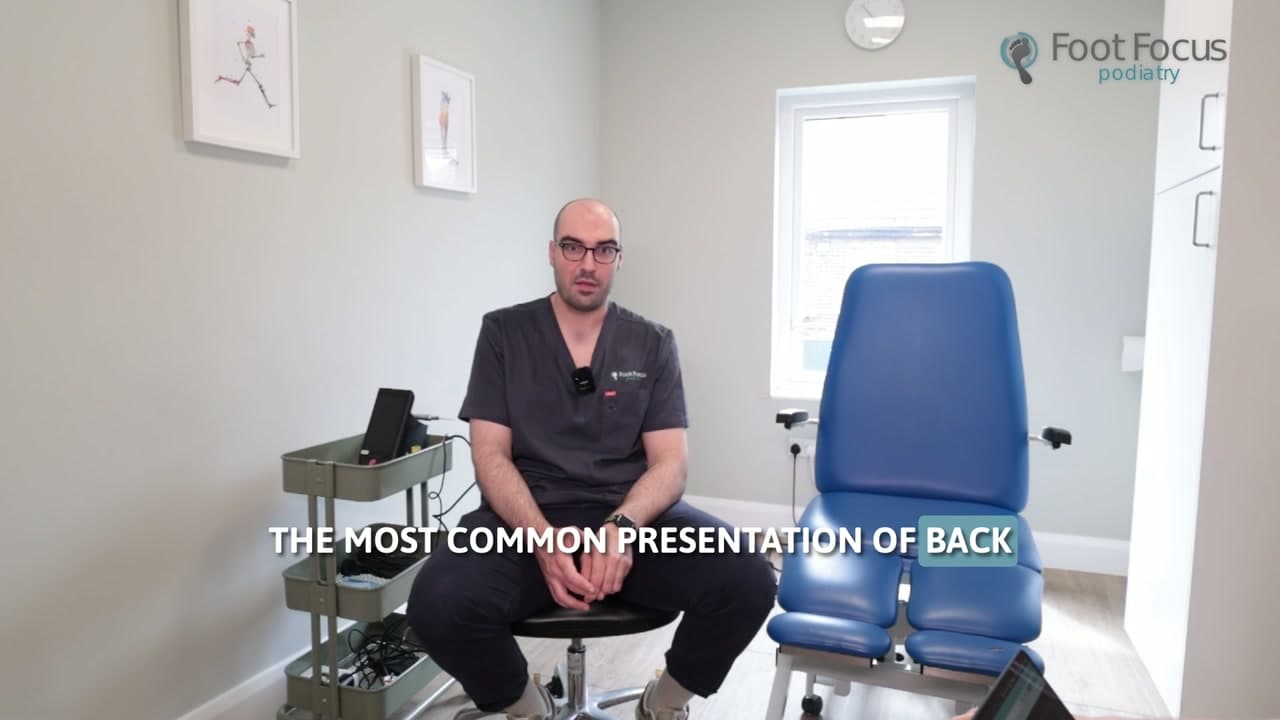
Clinical Explainer Video: Sports & Training Injuries

Watch our registered podiatrists explain diagnosis, mechanics, and recovery for Sports & Training Injuries.

Rebecca LongCC Captioned

What is a Biomechanical Assessment?

Rebecca Long demonstrates HD video gait capture and joint alignment testing.

Gait AnalysisBiomechanicsOrthotics
Molly RyanCC Captioned

What Does a Biomechanical Assessment Involve?

Detailed breakdown of pressure-plate scanning, joint range of motion, and load analysis.

Biomechanical ScanPressure PlateRunning Analysis
Samuel Eloy Gutiérrez-TorreCC Captioned

Digital Gait & Movement Screening

Samuel Eloy Gutiérrez-Torre walks through dynamic gait testing and lower-limb force distribution.

Gait TestingDigital Analysis3D Orthotics
Samuel Eloy Gutiérrez-TorreCC Captioned

Custom Orthotics Fitting & Function

Samuel Eloy Gutiérrez-Torre explains how 3D-printed custom orthotics correct biomechanical deviations.

Custom Orthotics3D PrintingArch Support
Samuel Eloy Gutiérrez-TorreCC Captioned

Lower Limb Assessment & Injury Rehab

Samuel Eloy Gutiérrez-Torre details targeted loading protocols for active foot and ankle recovery.

RehabilitationSports InjuryLoading Protocol

References

  1. Sprains and strains - HSE (Health Service Executive, Ireland)
  2. Shin splints - NHS

This page is for general information and does not replace individual clinical assessment. If symptoms persist, book an appointment with a CORU-registered podiatrist.

Free call back

Ready to sort out your sports injury?

Leave your details and our clinical team will call you back to discuss your symptoms and book an appointment.

Would rather talk now? (01) 556 3662

We'll use your details to return your call and follow up on your enquiry. Privacy Policy.